

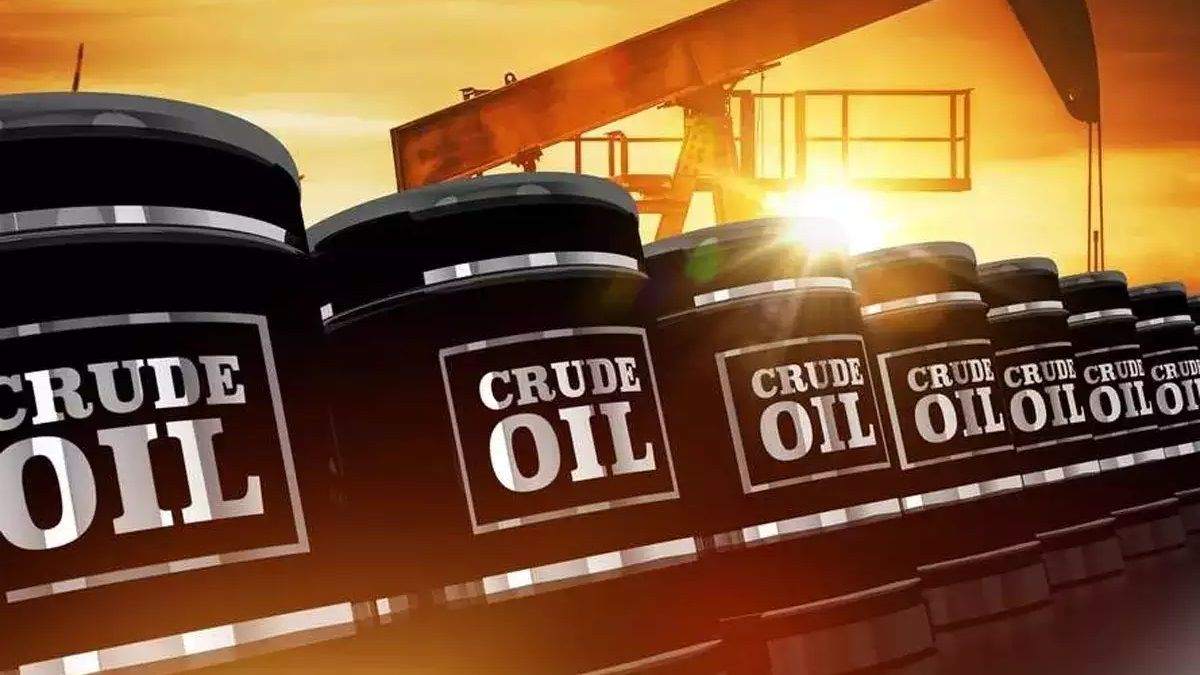
Oil Prices Decline as Trump Whispers Tariff Cut for China
Oil prices declined as President Donald Trump of the United States of America hinted about a tariff cut for the top rival economy ahead of a meeting in South Korea.
US officials’ soft tones over trade tensions with China also supported the decline. Brent crude was trading at $60.69 per barrel, down 0.8% from the previous close of $61.21.
The US benchmark West Texas Intermediate (WTI) also fell 0.9% to $56.67, compared to $57.20 in the prior session. Prices extended last week’s losses as investors weighed the outlook for demand amid signs of slowing global consumption and an emerging supply surplus.
The International Energy Agency (IEA), in its latest Oil Market Report, forecasts that global oil demand will rise by 710,000 barrels per day (bpd) in 2025 to 103.84 million bpd, slightly below last month’s projection.
The agency cited weaker economic growth and accelerating electrification as key factors tempering demand. On the supply side, the IEA said the global oil surplus is widening, as higher output, particularly from OPEC+ producers and the US, combined with a weaker demand outlook continues to weigh on prices.
“The outlook for demand is complicated by the on-again off-again trade tensions between the US and China,” Daniel Hynes, a senior commodity strategist at the Australia and New Zealand Banking Group, said in a note.
US President Donald Trump said that China is paying “a tremendous amount of money” in tariffs to the US and suggested he may consider lowering them if Beijing makes new concessions as he prepares for a trip to Asia.
“We have a very good relationship with President Xi (Jinping) of China,” Trump told reporters upon his return to Washington.
“They’re paying us a lot of money, a tremendous amount of money in tariffs. They’d probably like to have it be less, and we’ll work on that, but they have to give us some things too.”
He added that China currently faces “record-setting tariffs,” including a 20% rate on fentanyl-related imports and a cumulative tariff rate of “about 157%” on certain Chinese goods but said he is open to adjustments depending on progress in talks.
“I want to help China — I don’t want to hurt China — but it can’t be a one-way street,” he said. On Sunday Trump said that Indian Prime Minister Narendra Modi assured him that New Delhi would stop purchasing Russian crude oil, warning that India would otherwise continue to face “massive tariffs.”
India reportedly increased its purchases of discounted Russian crude since 2022, becoming one of Moscow’s top energy customers despite Western sanctions.
Separately, EU energy ministers are meeting later Monday in Luxembourg, aiming to agree on a common position for phasing out Russian gas imports, a move that could reshape Europe’s energy mix.
Elsewhere, the oil rig count in the US remained unchanged this week, oilfield services company Baker Hughes data showed Friday. The number of oil rigs, an indicator of short-term production in the country, remained flat at 418 for the week ending October 17. The number of US oil rigs fell by 64 compared to one year ago. #Heirs Insurance Group Announces Inaugural Travel Festival
