

Oil Climbs as U.S. Threatens to Attack Iran’s Power Plant
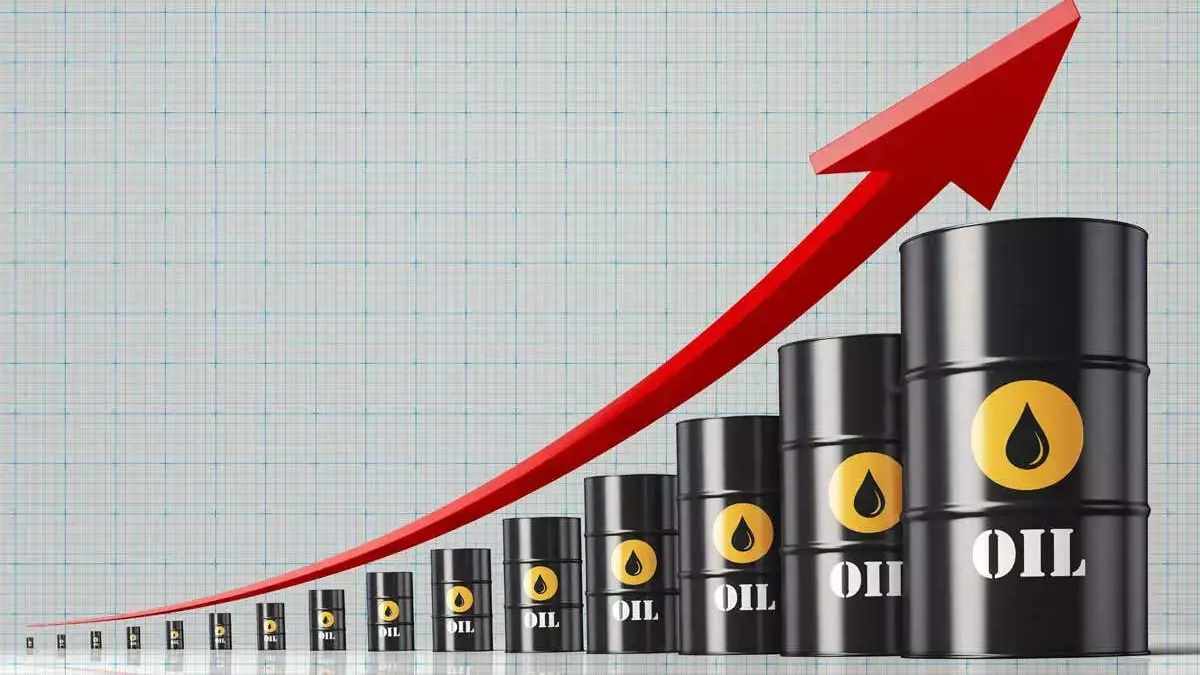
Oil prices rose on Monday, fueled by U.S. President Donald Trump’s threat to attack Iran’s power plants if the country does not reopen the Strait of Hormuz within 48 hours.
International benchmark Brent crude was trading at $108.71 per barrel, up 2.2% from its previous close of $106.41. U.S. benchmark West Texas Intermediate (WTI) rose by 2.3% to $100.48 per barrel, compared to $98.23 in the previous session.
The ongoing U.S.-Israeli military campaign against Iran has entered its 24th day, with reports indicating that the conflict may last longer than initially expected.
Over the weekend, Trump reiterated that the U.S. would launch strikes on Iran’s power plants if Tehran fails to fully reopen the Strait of Hormuz within the specified timeframe.
On March 21, Trump issued a 48-hour deadline for Iran to reopen the Strait of Hormuz, stating that if the deadline is not met, the U.S. would “obliterate” Iranian power plants, “starting with the biggest one first.”
Meanwhile, the U.S. is considering a possible ground operation to seize Kharg Island, Iran’s main oil export hub. In preparation for this potential operation, the U.S. has accelerated the deployment of thousands of Marines and Navy personnel to the Middle East.
Kharg Island serves as the primary terminal for approximately 90% of Iran’s oil exports.
In response, Iran has warned that it would target energy facilities in the region, including those of the U.S. and Israel, if its own energy infrastructure is attacked. Specifically, Iran threatened to completely close the Strait of Hormuz if the U.S. strikes its power plants.
International credit rating agency Fitch Ratings has cautioned that a prolonged closure of the Strait of Hormuz could lead to a significant increase in oil prices.
According to their projections, if the strait remains closed for six months, Brent crude could average $120 per barrel in 2026. If the closure lasts three months, prices are expected to stabilise around $100 per barrel. Zenith Bank Becomes Most Valuable Lender in Nigerian Market
