

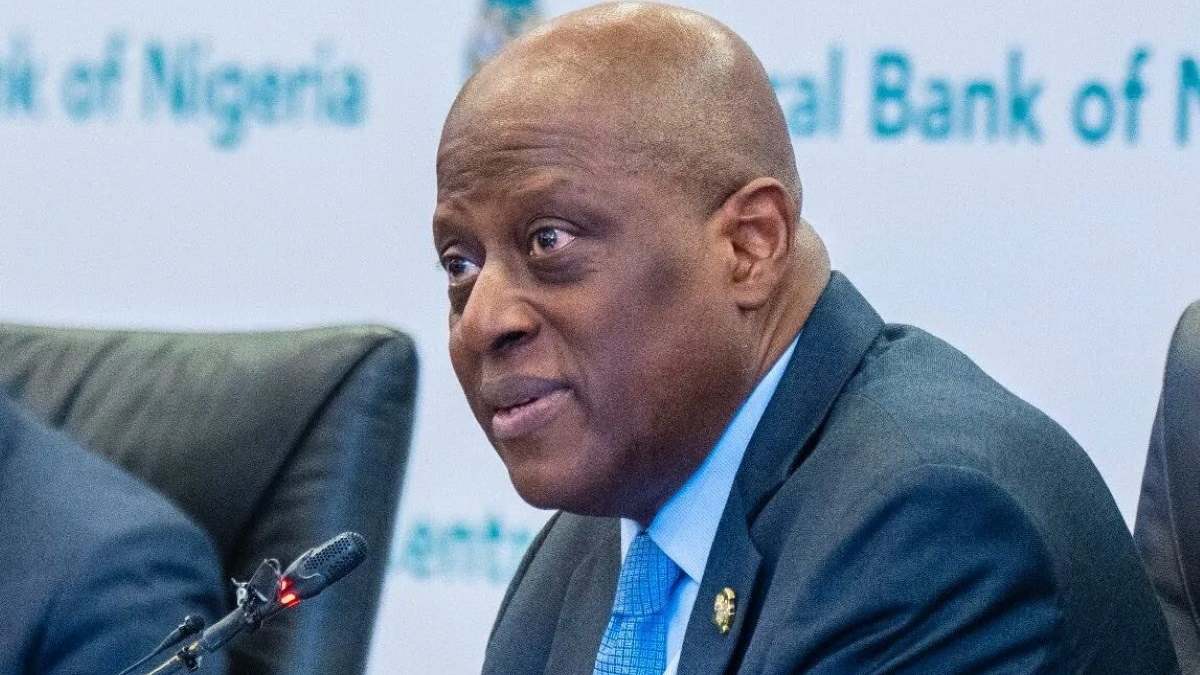
CBN Pulls Plug on Aso Savings, Union Homes : Hard Reset for Mortgage Sub-Sector
In a decisive regulatory sweep, the Central Bank of Nigeria (CBN) has revoked the operating licences of Aso Savings and Loans Plc and Union Homes Savings and Loans Plc, effectively ending the long-troubled runs of two once-prominent primary mortgage banks. The action, announced via an official press release, underscores the regulator’s zero-tolerance stance on weak capitalisation, poor governance, and persistent non-compliance within the financial system.
The revocation was executed pursuant to Section 12 of the Banks and Other Financial Institutions Act (BOFIA) 2020 and Section 7.3 of the Revised Guidelines for Mortgage Banks in Nigeria. According to the CBN, both institutions were no longer fit to operate, having repeatedly violated prudential standards and regulatory directives despite supervisory interventions.
At the heart of the decision lies severe financial fragility. Both Aso Savings and Union Homes failed to meet the minimum paid-up share capital requirements for their licence categories. Their balance sheets revealed assets insufficient to cover liabilities, while capital adequacy ratios had fallen well below regulatory thresholds, clear indicators of insolvency risk. Compounding these weaknesses was chronic non-compliance with CBN directives, effectively eroding supervisory confidence.
These shortcomings were not sudden. The institutions had been grappling with structural and governance issues for years, including depositor complaints, allegations of weak board oversight, and prolonged opacity in financial reporting. The eventual delisting of Union Homes Savings and Loans Plc from the Nigerian Exchange (NGX) in 2025, and temporary suspension of Aso Savings and Loans Plc after failing to publish audited financial statements for over six years was an early warning of deep-seated distress.
For shareholders, the licence revocation represents a near-total destruction of value. Equity holdings in both institutions are effectively impaired, with little prospect of recovery outside a liquidation scenario if at all. The development serves as a stark reminder of the risks inherent in investing in undercapitalised financial institutions with persistent governance lapses.
Depositors, while comparatively better protected, now face uncertainty. With operations halted, access to funds is frozen pending further regulatory action. Attention now shifts to the Nigeria Deposit Insurance Corporation (NDIC), which is expected to step in as liquidator or resolution manager. While insured depositors may eventually recover part or all of their savings within statutory limits, uninsured balances could be subject to protracted recovery processes.
Beyond the immediate fallout, the CBN’s action sends a powerful signal to the broader financial market: regulatory forbearance has limits. The mortgage banking sub-sector, critical to Nigeria’s housing finance ambitions, is being forcefully cleaned up to restore confidence and systemic stability.
For investors, the lesson is unambiguous capital adequacy, transparency, and governance are non-negotiable. For the market, the revocation marks both an end and a beginning of the end of two weakened institutions, and the beginning of a tougher, more disciplined regulatory era. #CBN Pulls Plug on Aso Savings, Union Homes : Hard Reset for Mortgage Sub-Sector#
Naira Diverges, Exchange Rates Gap Collapses to N25
