

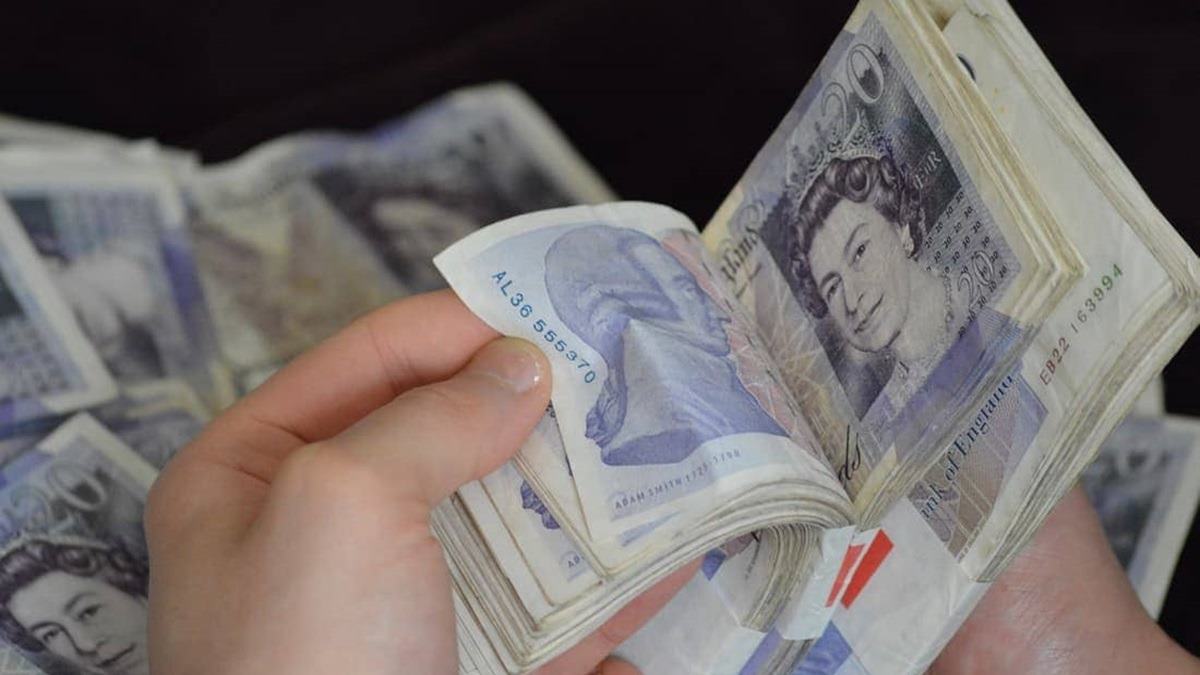
British Pound Struggles over Dovish BoE, Political Uncertainty
British pound (GBPUSD) edged back toward $1.36 at the end of a volatile week that nonetheless put sterling on track for its sharpest weekly decline against the dollar since late October.
GBP depreciation was driven by a mix of political turbulence and a more dovish-than-expected message from the Bank of England.
A combination of a dovish hold by the Bank of England (BoE) and new knocks on Prime Minister Starmer saw sterling tumble more than a cent for the first time in three months.
GBPUSD lost the most to the euro since last August. Sterling overshot theretracement objective of its run-up from the January 19 low of $1.3330 to the last week’s high of $1.3870 that is found near $1.3535.
It was sold to a two-week low near $1.3510 today before catching a bid that saw it recover to about $1.3580, according to market analysts. The 20-day moving average is about $1.3575. Near-term risk extends to $1.3600-20, though the momentum indicators have only just turned lower.
Sterling came under pressure as political uncertainty flared on Thursday, with questions raised over the durability of Prime Minister Keir Starmer’s leadership following his appointment of Peter Mandelson as UK ambassador to the US, a move that drew scrutiny due to Mandelson’s past links to Jeffrey Epstein.
On the policy front, the BoE left interest rates unchanged but surprised markets with a narrow 5–4 vote to hold. Four MPC members supported an immediate 25 bp cut, citing expectations that inflation will fall back toward the 2% target from April.
The Bank noted that risks from persistent inflation have eased, while downside risks from weaker demand and a softening labor market have become more pronounced. The US was supposed to release the January jobs report, but the government shutdown interrupted the schedule again.
Anchoria Securities Sees 38% Upside in Fidelity Bank
