

Author: Gilbert Ayoola

Gilbert Ayoola
Gilbert Ayoola is the Chairman of Ibadan Zone Shareholders’ Association. He is an investment expert with years of experience that cut across the Nigerian capital market.He has deep knowledge of the Nigerian economy, tracking the performance of listed companies, banking and finance, and government policy.With 20+ years of experience working with numbers across African financial markets, Gilbert delivers reports on corporate earnings and airs opinions on banks' activities and other money market players.He conducted extensive financial analyses of Nigerian Exchange’s Top 30-listed companies with depth and dexterity that match global best practices.Gilbert Ayoola is based in Ibadan, Oyo State, Nigeria

First HoldCo Plc extended its bullish momentum as renewed investor interest and strong market participation pushed its share price higher.

Nigeria’s headline inflation rate edged higher to 15.69% in April 2026 from 15.38% recorded in March, according to the latest data released by the National Bureau of Statistics, marking the highest inflation reading in five months despite remaining significantly below the 26.82% level recorded in April 2025.
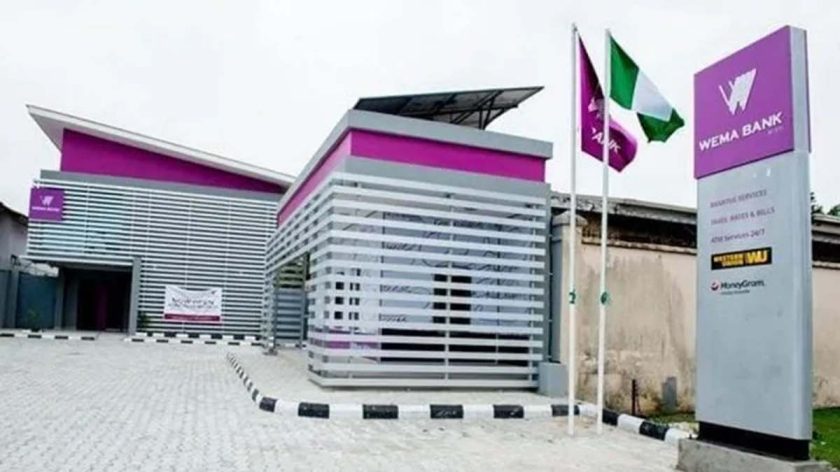
Wema Bank has firmly rejected allegations surrounding the sale of high-value properties in Banana Island linked to the defunct Gulf Bank, maintaining that the transactions were lawful, commercially justified, and executed strictly within the framework of debt recovery obligations owed to the bank.

In capital markets, there are moments when rhetoric becomes irrelevant, and conviction is measured only in cash deployed. Today, Wednesday, May 13, 2026, delivered one of those moments.
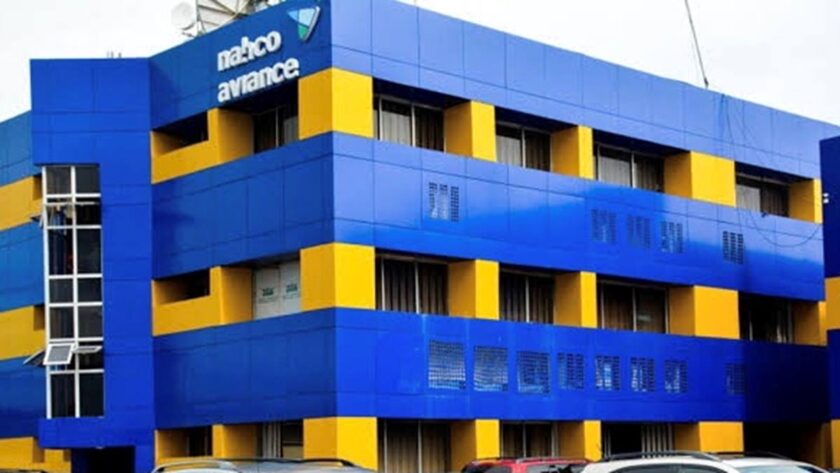
Nigerian Aviation Handling Company (NAHCO) Plc has reinforced investor confidence with a bold shareholder reward strategy following the release of its 2025 audited report, underscoring the company’s accelerating earnings momentum and resilient balance sheet expansion despite Nigeria’s challenging macroeconomic environment.

First HoldCo Plc delivered a deeply mixed but strategically revealing audited FY2025 performance, reflecting the harsh realities of Nigeria’s elevated interest rate regime, regulatory tightening, asset repricing pressures, and post-FX reform adjustments within the banking industry.
Access Holdings Plc’s decision to reduce equity stakes in some of its foreign subsidiaries following the Central Bank of Nigeria directive limiting offshore investments to 10% of shareholders’ funds represents more than a routine regulatory adjustment; it is a defining moment for capital discipline within Nigeria’s banking sector.
Nigeria’s banking sector is not in distress, but it is entering a more disciplined phase of capital stewardship. The Central Bank of Nigeria’s (CBN) new directive requiring regulatory approval before dividend declarations is less a constraint on profitability and more a recalibration of financial resilience.
Lafarge Africa Enters New Cycle, Market Reprices Growth Prospects Lafarge Africa Plc has entered a pivotal transition phase following the completion of Holcim’s divestment of its 83.81% controlling stake to Huaxin Building Materials Group Co., Limited. The transaction marks one of the most significant shifts in foreign ownership in Nigeria’s industrial landscape in recent years, signalling a strategic realignment with potential implications for capital structure, operational scale, and long-term competitiveness. Notably, governance continuity has been preserved. The board structure remains intact, with Gbenga Oyebode retaining his role as Chairman and Lolu Alade-Akinyemi continuing as Group Managing Director/CEO. This stability at…

Dividend Investing: Converting Equity Income into Financial Independence Dividend investing, at its core, is not about chasing yield. It is about engineering a reliable income stream that can ultimately substitute earned wages. In the context of Nigeria’s capital market, this strategy carries both compelling opportunities and structural nuances that investors must navigate with precision. The primary objective is straightforward as to accumulate positions in fundamentally sound, dividend-paying companies whose distributions can, over time, replicate or exceed one’s active income. When executed effectively, this approach transforms equity ownership into a self-sustaining cash flow engine decoupling livelihood from labour. Nigeria’s equity market,…