

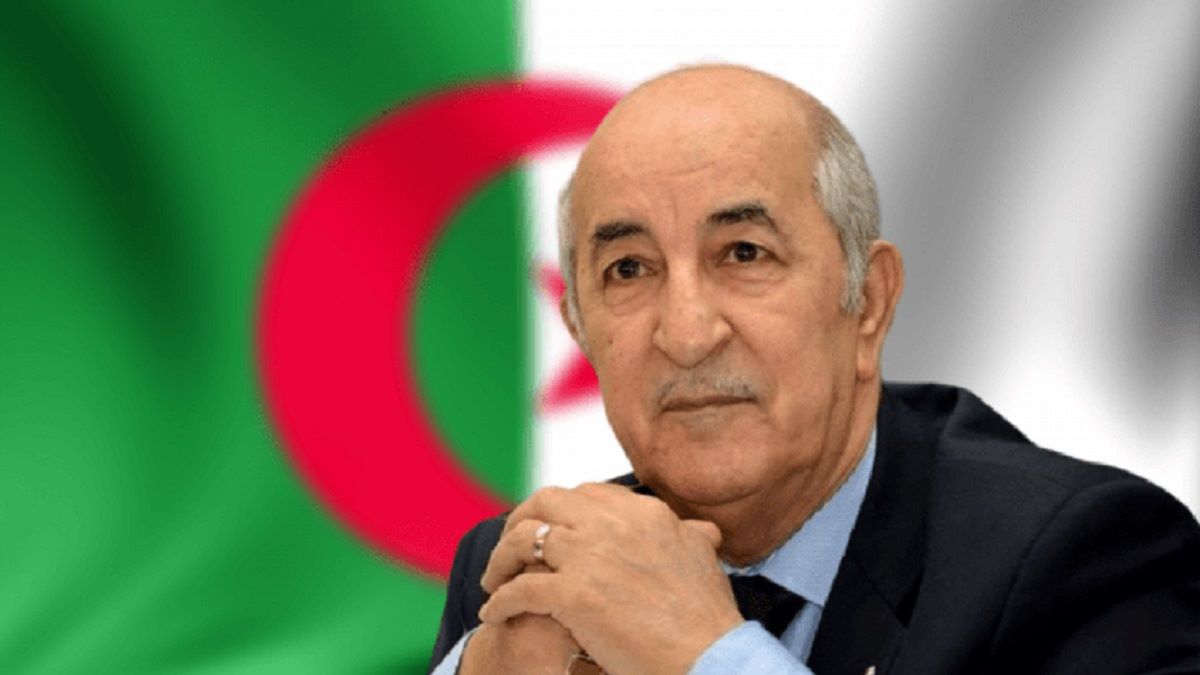
Algerian Economy Broadly Positive Despite High Fiscal Vulnerabilities
The near-term prospects for the Algerian economy remain broadly positive despite global uncertainty, but fiscal vulnerabilities are high, the International Monetary Fund (IMF) said in an official statement following the conclusion of Article IV consultation.
Moreover, the Algerian economy must focus on sustainable practices to secure its future. The IMF emphasises that for the Algerian economy to thrive, a robust fiscal strategy is crucial. Addressing the unique challenges of the Algerian economy will require careful planning and execution.
Investment in various sectors of the Algerian economy is vital for achieving sustainable growth. The IMF mission highlighted key areas for reform within the Algerian economy to enhance its resilience. As the Algerian economy evolves, the focus on diversification becomes increasingly important.
Lower inflation rates will benefit the Algerian population, contributing to overall economic stability. The Algerian budgetary framework is under review to address these pressing economic issues.
Continued reforms will ensure that the Algerian economy remains competitive in the global market. Maintaining fiscal discipline is key to the future success of the Algerian economy. Understanding the dynamics of the Algerian economy will help in formulating effective policies.
The Algerian government is committed to fostering an environment conducive to growth and stability. “A gradual yet urgent fiscal adjustment is essential to strengthen fiscal resilience and rebuild buffers, while monetary policy should remain focused on price stability”, the fund said.
The IMF highlighted that greater exchange rate flexibility would strengthen the economy’s ability to absorb external shocks, including from hydrocarbon prices.
The country is noted to require strengthened policy frameworks, along with reforms to enhance fiscal resilience, diversify the economy, and promote private investment to boost growth and create jobs over the medium term.
IMF mission led by Mr. Charalambos Tsangarides visited Algiers during June 16–30 to conduct the 2025 Article IV consultation with Algeria. At the end of the mission, Mr. Tsangarides said, “Economic activity eased to 3.6 percent in 2024 from 4.1 percent in 2023, as OPEC+ production cuts weighed on the hydrocarbons sector, while nonhydrocarbon activity remained strong, expanding by 4.2 percent.
The current account balance turned to a deficit in 2024 amid lower hydrocarbon output and gas prices. International reserves remained robust at US$ 67.8 billion, covering about 14 months of imports.
Inflation fell sharply from an average of 9.3 percent in 2023 to 4 percent in 2024, driven mainly by lower food prices, with core inflation also declining. Monetary policy remained accommodative in the first half of 2025.
The budget deficit widened significantly in 2024, reaching 13.9 percent of GDP due to lower hydrocarbon revenues and higher wage and investment spending, and is expected to remain high in 2025.
The near-term outlook is broadly positive, supported by a gradual recovery in hydrocarbon production as OPEC+ production cuts ease, which is expected to sustain growth in 2025, while inflation remains moderate. However, growing fiscal pressures pose significant financing challenges and, if continued, would increase public debt in the medium term.
Continued global uncertainty and volatile hydrocarbon prices are likely to dampen exports and investment, contributing to a wider current account deficit in 2025.
Economic prospects face several risks, primarily from volatile hydrocarbon prices amid shifting trade policies and geopolitical tensions and persistent fiscal deficits that strain debt sustainability and deepen financial linkages between the government, state-owned enterprises (SOEs), and public banks (SOBs). However, medium-term economic prospects would improve with sustained reforms to diversify the economy and effective implementation of the government’s Action Plan and structural reforms.
To safeguard macro-financial stability and mitigate near-term risks amid a volatile global environment, the mission recommends gradual yet timely fiscal rebalancing. This will curb rising financing needs driven by large deficits and falling hydrocarbon prices, helping to reduce vulnerabilities, rebuild buffers, and stabilize public debt over the medium term.
Monetary policy should continue to be guided by economic conditions and firmly focused on its inflation objective, while maintaining close oversight of financial sector developments.
More exchange rate flexibility will enhance the economy’s ability to absorb external shocks amid heightened hydrocarbon price volatility and global uncertainty.
Medium-term reform priorities include enhancing fiscal sustainability, strengthening monetary and financial frameworks, and advancing structural reforms to boost private investment, inclusive growth, and job creation.
The fiscal adjustment strategy would be strengthened by reforms to increase nonhydrocarbon revenues and streamline spending.
A revised revenue mobilization strategy would support efforts to expand the tax base, including by rationalizing tax expenditures, and enhance compliance via digitalization. Reforming subsidies would help rebuild fiscal buffers and create space for priority expenditures, including targeted support for vulnerable households.
Enhancing public investment efficiency would support the authorities’ economic diversification goals. Improving oversight, efficiency, and governance of SOEs would be essential to contain macro-financial risks.
The mission welcomes progress in implementing the 2018 Organic Budget Law, which is expected to enhance transparency and accountability in budget execution; the establishment of a unit within the Ministry of Finance to oversee SOEs and strengthen fiscal risk management; and the expected implementation of the new Public Procurement Law.
The mission commends the authorities for their ongoing implementation of the 2023 Monetary and Banking Law, improvements in liquidity management, and strengthened capacity in macroeconomic forecasting and policy analysis.
Clarifying the monetary policy framework—by defining a clear primary objective and nominal anchor—would enhance policy transmission and effectiveness. Improving financial sector oversight is crucial to mitigate risks arising from strong financial linkages between the central government, SOEs, and SOBs. The authorities’ efforts to diversify the economy and improve the business climate to boost private investment are welcome.
Key initiatives include a one-stop digital shop for real estate access, aligning exports with international standards, and advancing online trade. The mission encourages continuing these reforms but cautions against broad application of fiscal incentives that may create revenue gaps.
Additional gains can be achieved by removing administrative restrictions, increasing flexibility in product and labor markets, and ensuring a level playing field between public and private sectors.
The mission also welcomes recent governance reforms and continued efforts to strengthen the AML/CFT framework and enhance transparency and accountability in the public sector.” #Algerian Economy Broadly Positive Despite High Fiscal Vulnerabilities Weak US Dollar Boosts Oil Demand, Brent Price Climbs Near $67
