

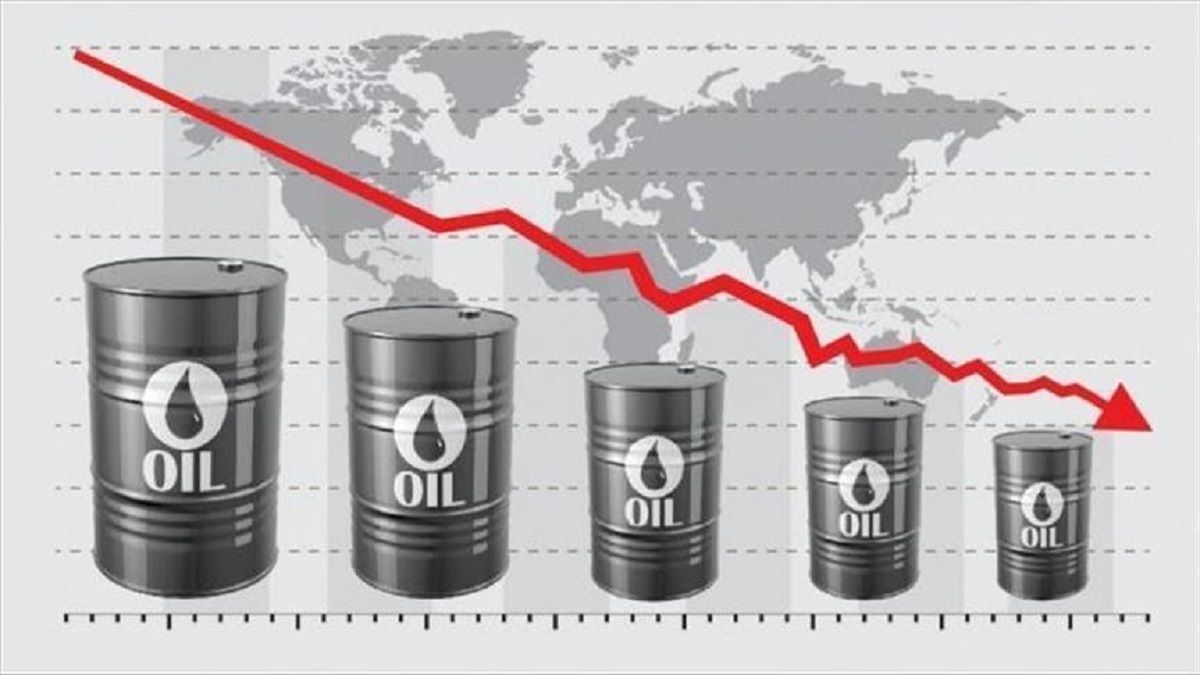
Oil Prices Decline Amidst Weak Demand Outlook
Oil prices declined amidst a weak demand outlook triggered by rising crude inventories in the United States and uncertainties in Chinese imports. The US crude inventories tempered market optimism fueled by a temporary easing of trade tensions between the United States and China.
International benchmark Brent crude decreased by around 0.13%, trading at $66.16 per barrel. The US benchmark West Texas Intermediate decreased by about 0.2%, settling at $63.09 per barrel, compared to its prior session close of $63.22.
Both benchmarks fell after data from the American Petroleum Institute (API) showed US crude inventories rose by 4.3 million barrels for the week ending May 9, signaling weaker demand in the world’s top oil consumer and putting downward pressure on prices. Official inventory data from the US Energy Information Administration (EIA) is due later in the day.
The fall in prices followed a weekend agreement between Washington and Beijing to temporarily lower reciprocal tariffs, reached during trade negotiations held in Switzerland. Under the agreement, set to take effect May 14, the US will reduce tariffs on Chinese goods from 145% to 30% for 90 days, while China will cut tariffs on American goods from 125% to 10%.
US President Donald Trump hailed the deal in a White House press conference, describing the Geneva talks as a “fresh start” with Beijing. He added that China had agreed to suspend and ultimately remove all non-monetary trade barriers.
Trump’s recent social media posts highlighting falling inflation and lower gasoline prices also influenced sentiment in energy markets, shaping expectations for future oil demand. He reiterated his call for the Federal Reserve to cut interest rates to further boost the economy.
Despite these upbeat statements, Fitch Ratings warned that the tariff truce should not be interpreted as the end of the US-China trade war, suggesting lingering uncertainty may continue to weigh on investor risk appetite and cap oil price gains.
While Trump’s announcements, including a $600 billion investment pledge from Saudi Arabia, raised hopes for stronger US economic growth and higher energy demand, analysts said the short-term impact on oil prices remains limited due to broader supply-demand dynamics.
Saudi Investment Minister Khalid Al-Falih said in his opening speech that Saudi Arabia plans to invest $600 billion in the US over the next four years. Trump’s visit to Saudi Arabia is his first Middle East tour since his second term began on January 20. The tour, which runs from Tuesday to Friday, includes stops in Qatar and the United Arab Emirates (UAE).
OPEC crude oil production decreased by 62,000 barrels per day (bpd), or by 0.23%, in March to average 26.71 million bpd, according to OPEC’s monthly oil market report released on Wednesday.
In April, crude oil output fell the most in Venezuela. Output in Venezuela declined by 34,000 bpd to 888,000. The largest increases in production were recorded in Saudi Arabia, with output rising by 49,000 to reach 9.01 million.
Daily crude oil production from the OPEC+ group, which consists of OPEC members and some non-OPEC producing countries, decreased by 106,000 bpd to 40.91 million bpd in March.
OPEC revised down its global oil demand growth forecast compared to the previous month’s assessment. According to the report, world oil demand is expected to increase by 1.3 million bpd to reach 105 million bpd this year.
In 2025, oil demand in the OECD is projected to grow only by 100,000 bpd to 45.76 million bpd, while in the non-OECD, oil demand growth is forecast to rise by around 1.19 million bpd to 59.24 million bpd. #Oil Prices Decline Amidst Weak Demand Outlook Nigerian Exchange Index Hits All-time High in Explosive Rally
