

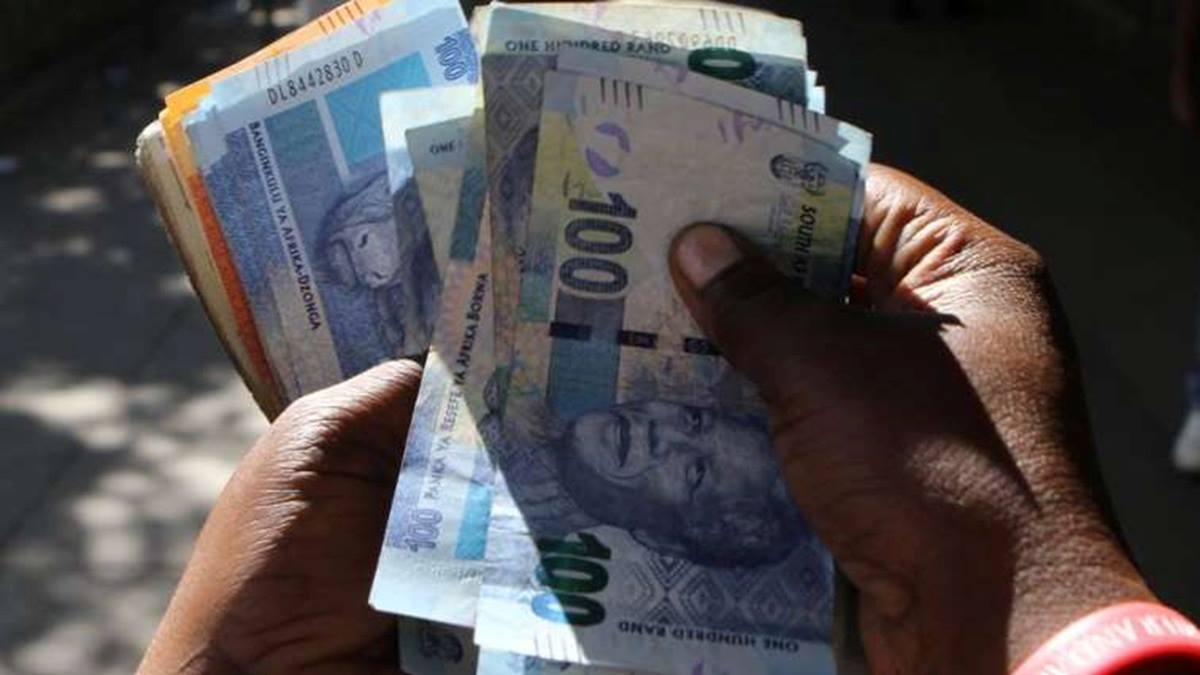
Rand Loses Momentum as Unemployment Rises, Dollar Rally
The South African rand lost momentum against Western currencies on Monday amid a US dollar rally, surging global oil prices and an increase in the country’s unemployment Rate.
The local currency started the week on the back foot and is losing momentum against its major crosses this morning amid a stronger dollar and elevated oil prices, which continue to weigh on sentiment.
During trading hours on Monday, the rand is trading at R16.73 to the dollar, R19.44 to the euro and R22.27 to the pound, First National Bank (FNB) said in a morning brief.
The bullion is stable following a strong decline in the previous week as investors closely monitor tensions in the Middle East, with the energy price shock driving the broader inflation outlook.
The market anticipates inflation surge to triggered US Fed rate hike this year. This morning, gold is trading at $4 543/ounce, according to the market report.
Oil prices rally extended into Monday, maintaining the solid momentum from the previous week as negotiations between the United States and Iran appear to have stalled.
The market remains tight amid elevated global supply concerns stemming from the continued near-shutdown of the Strait of Hormuz. Brent crude oil is trading at $111/barrel on Monday, and analysts expect the price to climb in the absence of a final truce.
South Africa shed 344 626 jobs in the first quarter of 2026 (1Q26), reversing total employment back to 16 754 282, and leaving it marginally below 1Q25 levels.
The unemployment rate rose to 32.7% from 32.4% in 4Q25, while the expanded rate increased to 43.7%, reflecting a continued rise in discouraged work-seekers.
Job losses were broad-based across formal, informal and household sectors, signalling widespread pressure rather than isolated weakness.
At the same time, the number of people outside the labour force – those economically inactive, including discouraged individuals – continued to rise, reflecting further erosion in productive capacity.
Ultimately, the rapid deterioration in labour market conditions and sustained slack raises concerns about the near-term outlook amid the ongoing energy shock. CBN Closes N2trn OMO Bills Sales with Investors
