

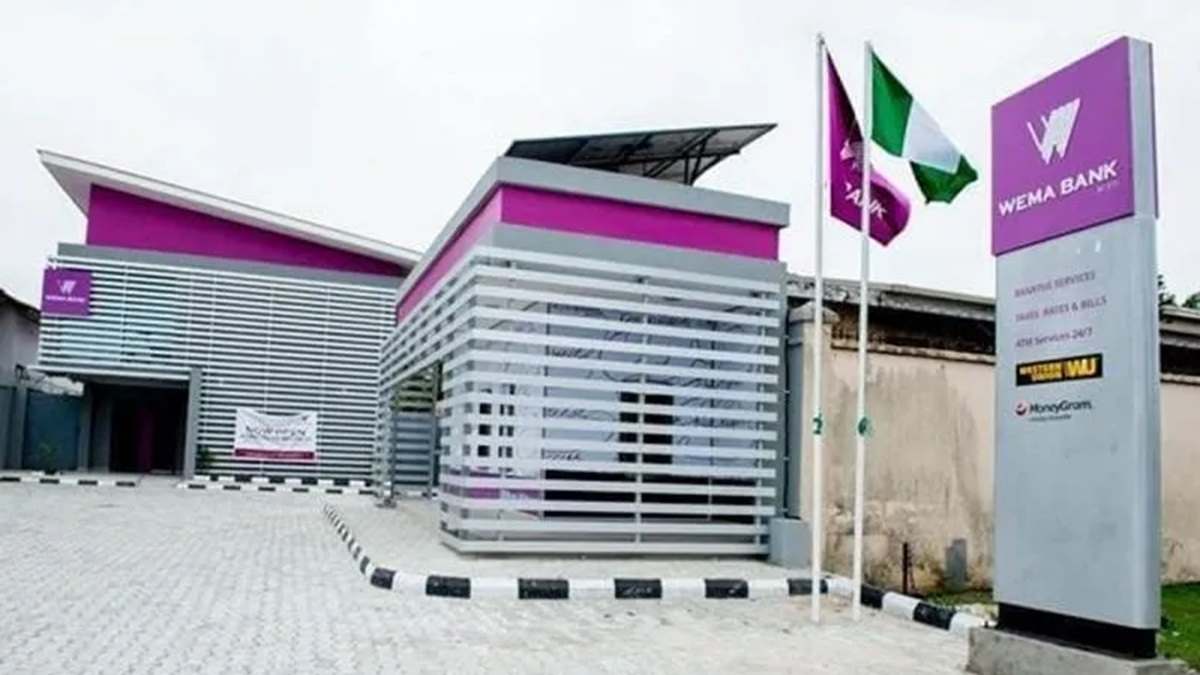
NDIC Suit: Wema Bank Defends Banana Island Property Transactions
Wema Bank has firmly rejected allegations surrounding the sale of high-value properties in Banana Island linked to the defunct Gulf Bank, maintaining that the transactions were lawful, commercially justified, and executed strictly within the framework of debt recovery obligations owed to the bank.
In a statement issued on Saturday and signed by the bank’s Company Secretary and General Counsel, Johnson Lebile, the financial institution stated that its actions were guided by extant banking regulations, valid receivership procedures, and the need to protect depositors’ funds and shareholder interests following the collapse of Gulf Bank.
Wema Bank explained that the disputed Banana Island assets formed part of securities tied to outstanding credit facilities inherited through legally enforceable arrangements connected to Gulf Bank’s indebtedness.
According to the bank, the eventual disposal of the properties was undertaken after prolonged recovery efforts and in compliance with applicable legal and financial processes governing distressed assets.
The clarification comes amid heightened scrutiny following reports that the Nigeria Deposit Insurance Corporation (NDIC) has instituted two separate suits against Wema Bank at the Federal High Court in Lagos, seeking the recovery and repossession of the properties in question.
The NDIC, acting in its capacity as liquidator of the defunct Gulf Bank, is reportedly contesting aspects of the ownership transfer and subsequent sale of the premium real estate assets.
However, Wema Bank insisted that it acted within its rights as a creditor institution and denied any wrongdoing or irregular acquisition of the properties.
The bank emphasised that all transactions relating to the assets were supported by enforceable contractual obligations, perfected security interests, and due legal documentation.
The lender further stated that the recovery process followed years of unresolved debt exposure tied to Gulf Bank and was necessary to mitigate financial losses.
Management noted that banks operating within Nigeria’s financial system have a fiduciary responsibility to aggressively pursue non-performing obligations in order to preserve institutional stability and safeguard stakeholders’ interests.
In defending its position, Wema Bank also stressed that the transactions were neither clandestine nor executed outside regulatory oversight. The institution maintained that the sales process complied with corporate governance standards and reflected established industry practices regarding debt enforcement and asset realisation.
Analysts say the dispute underscores the increasingly complex legal battles surrounding failed financial institutions in Nigeria, particularly in relation to asset ownership, creditor hierarchy, and the powers of statutory liquidators. The outcome of the suits could carry wider implications for the banking sector’s approach to collateral enforcement and distressed asset recovery.
Despite the litigation, Wema Bank reiterated its commitment to transparency, regulatory compliance, and judicial cooperation, expressing confidence that the courts will ultimately validate the legitimacy of its actions and affirm the bank’s legal interest in the transactions under dispute.
Inflation Still Weighing Heavily on Manufacturers, MSMEs – LCCI
