
Close Menu
    What's Hot

    Nigerian Exchange Nears N156trn, Investors Gain N3.3trn

    May 1, 2026

    Federal Executive Council Approves $2.9bn Rail Projects

    May 1, 2026

    INEC Fixes June 20 for by-Elections

    May 1, 2026
    Facebook X (Twitter) Instagram
    • Home
    • About Us
    Facebook X (Twitter) Instagram WhatsApp
    MarketForces AfricaMarketForces Africa
    Subscribe
    Friday, May 1
    • Home
    • News
    • Analysis
    • Economy
    • Mobile Banking
    • Entrepreneurship
    MarketForces AfricaMarketForces Africa
    Home - MarketForces News - US Seizes $500m Iranian Crypto in Operation Economic Fury
    News

    US Seizes $500m Iranian Crypto in Operation Economic Fury

    Julius AlagbeBy Julius AlagbeMay 1, 2026Updated:May 1, 2026No Comments3 Mins Read
    Share Facebook Twitter Pinterest Copy Link LinkedIn Tumblr Email VKontakte Telegram
    Us Seizes $500M Iranian Crypto In Operation Economic Fury
    Share
    Facebook Twitter Pinterest Email Copy Link

    US Seizes $500m Iranian Crypto in Operation Economic Fury

    The United States has seized nearly $500 million in cryptocurrency assets linked to Iran as part of a sanctions campaign that heavily focuses on freezing stablecoins.

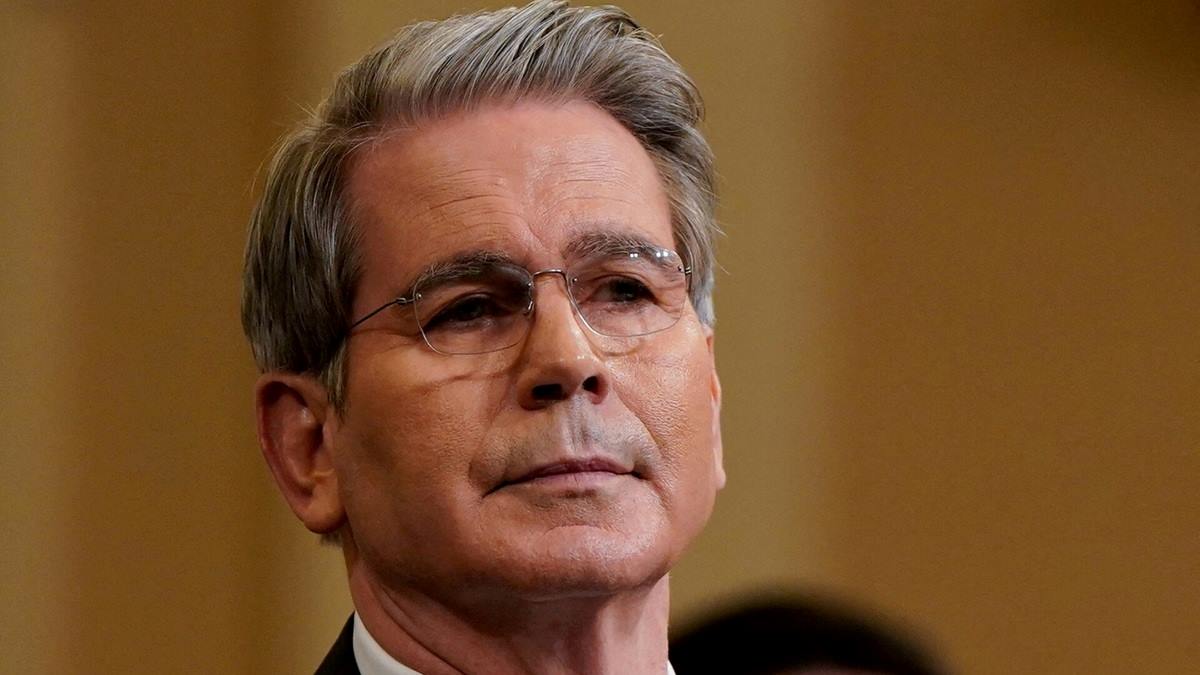
    Treasury Secretary Scott Bessent announced that Operation Economic Fury has resulted in the confiscation of approximately $500 million, including a significant freeze of $344 million in USDT tied to Iranian state and proxy networks.

    Bessent stated that this operation, ordered by the Trump administration, aims to apply pressure on Iran’s financial systems, including its cryptocurrency holdings, bank accounts, and oil revenue streams.

    Reports from various outlets confirm the figure of nearly $500 million in Iranian crypto assets linked to Iranian state networks and intermediaries, emphasising that it does not involve ordinary retail users abroad.

    A key aspect of this operation was a recent action by the Office of Foreign Assets Control (OFAC), where Tether froze over $344 million in USDT across wallets associated with Iran, following directions from U.S. authorities.

    Blockchain analytics firms have linked these addresses to the Central Bank of Iran and the flow of funds connected to the Islamic Revolutionary Guard Corps.

    This campaign combines traditional sanctioning tools with blockchain forensics. OFAC identified Iran-linked wallet clusters, and analytics firms traced fund flows from Iranian exchanges and state-connected intermediaries. Tether and other issuers have implemented address blacklists directly at the token contract level.

    Due to the centralised nature of USDT and similar stablecoins, issuers can freeze assets even if wallet holders do not cooperate.

    The $344 million USDT freeze on Tron, for instance, was carried out by Tether itself, transforming a supposedly censorship-resistant asset into a means of enforcing sanctions.

    For holders of major fiat-backed stablecoins, there is exposure to both issuer risks and sanctions risk, particularly if their counterparties interact with blacklisted addresses, despite the underlying blockchain being permissionless.

    Operation Economic Fury is specifically aimed at complicating Iran’s ability to transfer money, pay soldiers, and fund proxy groups.

    Bessent connected these crypto seizures to a larger crisis involving the Iranian currency and bank failures. This operation indicates a significant shift—sanctions enforcement is now treating on-chain activity as central rather than peripheral.

    Moving forward, stablecoin issuers, exchanges, and custodial wallets may face increasing pressure to monitor and screen transactions associated with sanctioned jurisdictions. Additionally, secondary sanctions on oil buyers could involve more intermediaries.

    For everyday users outside of sanctioned areas, the immediate risks are limited. However, the choice of counterparties becomes crucial when relying on centralised stablecoins.

    U.S. authorities have leveraged the combination of on-chain transparency and centralised stablecoins to seize approximately half a billion dollars tied to Iran, with USDT freezes on Tron playing a pivotal role.

    This situation highlights a key trade-off in today’s cryptocurrency landscape: while stablecoins provide dollar liquidity, they are closely integrated into the traditional sanctions system.

    As a result, future geopolitical conflicts may increasingly manifest through blacklist actions affecting major tokens, rather than solely involving banks. XRP Price Rises on Las Vegas Conference, Marketing Campaign

    Iranian crypto seized
    Share. Facebook Twitter Pinterest LinkedIn Tumblr Email Telegram Copy Link
    Julius Alagbe
    • Website
    • LinkedIn

    Julius Alagbe has about 2 decades of experience in finance, accounting and economics. A fantastic financial analyst with experience in the media, research and consulting industry.With an education background from top global institutes like Imo State University, the Association of Chartered Certified Accountants (ACCA), the Chartered Institute of Administration/Nigerian College of Administration, and Julius has focused on anything that trends, figures, and projections can explain.Apart from his reportage skills, Julius has cut his teeth in Due Diligence, Advisory Service, Research, and Training.

    Related Posts

    News

    Nigerian Exchange Nears N156trn, Investors Gain N3.3trn

    May 1, 2026
    News

    Federal Executive Council Approves $2.9bn Rail Projects

    May 1, 2026
    Cryptocurrency

    Bitcoin Gains on US Defense Endorsement, ETF Outflow Pause

    May 1, 2026
    News

    Recapitalisation: No Licenced Insurer Will Be Left to Fail – NAICOM

    May 1, 2026
    News

    Seplat Increases Shareholders’ Dividend as Profit Spikes 63%

    May 1, 2026
    News

    NDPC Records 1,500 Cyberattacks, Exposes Nigeria’s Data Protection Gaps

    May 1, 2026
    Add A Comment

    Comments are closed.

    Editors Picks

    Nigerian Exchange Nears N156trn, Investors Gain N3.3trn

    May 1, 2026

    Federal Executive Council Approves $2.9bn Rail Projects

    May 1, 2026

    INEC Fixes June 20 for by-Elections

    May 1, 2026

    Bitcoin Gains on US Defense Endorsement, ETF Outflow Pause

    May 1, 2026
    Latest Posts

    Nigerian Exchange Nears N156trn, Investors Gain N3.3trn

    May 1, 2026

    Federal Executive Council Approves $2.9bn Rail Projects

    May 1, 2026

    Bitcoin Gains on US Defense Endorsement, ETF Outflow Pause

    May 1, 2026

    Recapitalisation: No Licenced Insurer Will Be Left to Fail – NAICOM

    May 1, 2026

    Seplat Increases Shareholders’ Dividend as Profit Spikes 63%

    May 1, 2026

    Subscribe to News

    Get the latest sports news from NewsSite about world, sports and politics.

    About US
    About US

    MarketForces Africa is a financial information service provider with interest in media, training and research. The media platform provides information about markets, economies, and crypto, forex markets and investment ecosystem.

    Contact Us:
    Suite 4, Felicity Plaza, Freedom Estate Drive, Lagos-Ibadan Express Road, Magboro
    T: . 08076677707, 08052076440

    Facebook X (Twitter) Instagram Pinterest YouTube
    Latest Posts

    Nigerian Exchange Nears N156trn, Investors Gain N3.3trn

    May 1, 2026

    Federal Executive Council Approves $2.9bn Rail Projects

    May 1, 2026

    INEC Fixes June 20 for by-Elections

    May 1, 2026

    Subscribe to Updates

    Get the latest creative news from FooBar about art, design and business.

    © 2026 Marketforces Africa
    • About
    • Contact us
    • Subscription Plans
    • My account

    Type above and press Enter to search. Press Esc to cancel.