

U.S Citizens Lose $2.1bn to Social Media Scams – Report
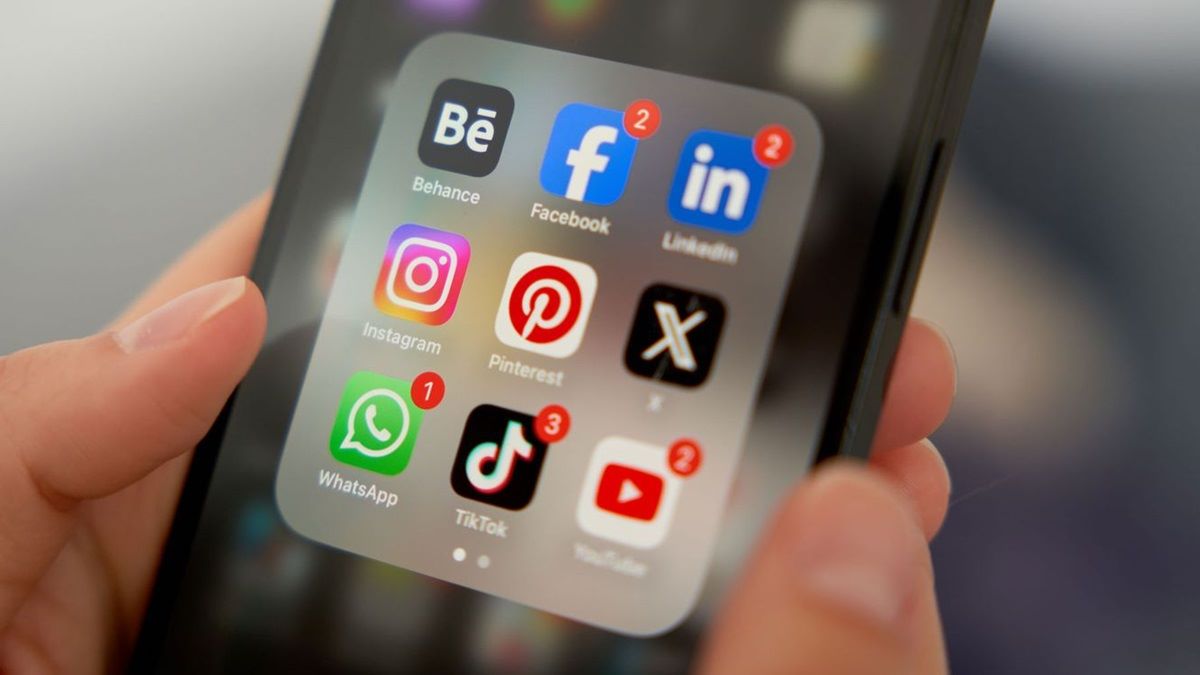
U.S. citizens lost staggering $2.1 billion to social media scams in 2025, new data from the Federal Trade Commission (FTC) shows. In an update, FTC noted that nearly 30% of people who reported losing money to a scam said it started on social media, with reported losses reaching a staggering $2.1 billion.
Social media scams produced far more in losses, an eightfold increase since 2020, than any other contact method used by scammers to reach consumers, according to the new data.
The Data Spotlight notes that social media provides easy access to billions of people worldwide, making a scammer’s job easier at very little cost.
Scammers may hack a user’s account, exploit what a user posts to figure out how to target them, or buy ads and use the same tools real businesses use to target people by age, interests, or shopping habits.
Reports show that in 2025, people reported losing more money to scams that started on Facebook than on any other social media platform.
WhatsApp and Instagram were a distant second and third. In 2025, people reported losing far more money to Facebook scams than to text or email scams.
The data also show that all age groups, except those 80 and over, reported losing more money to scams that started on social media than to any other contact method.
And social media ranked second after phone calls for those 80 and over. According to FTC data, social media scams come in different forms, including investment, shopping and romance scams.
•People reported losing the largest amount of money last year to investment scams that originated on social media, with losses of $1.1 billion, more than half of the total amount lost to social media scams, according to FTC data.
These scams often start with an ad or post offering a program to teach you how to invest. Other scammers posed as friendly advisers or created WhatsApp groups full of “successful investors” sharing fake testimonials.
Also, shopping scams were the most reported type of social media scam last year, with more than 40% of people who lost money to a scam on social media reporting that they ordered something they saw in a social media ad, everything from clothes and makeup to car parts and even puppies.
Many of these ads led to unfamiliar websites, while others sent people to sites impersonating well-known brands that claimed to offer big discounts.
Reports show romance scams also thrive on social media-nearly 60% of people who reported losing money to a romance scam in 2025 said it started on a social media platform.
According to reports, scammers often tailor their pitch to people’s profiles, later inventing a crisis requiring money or casually offering investment advice to draw them onto a fake investment platform.
