

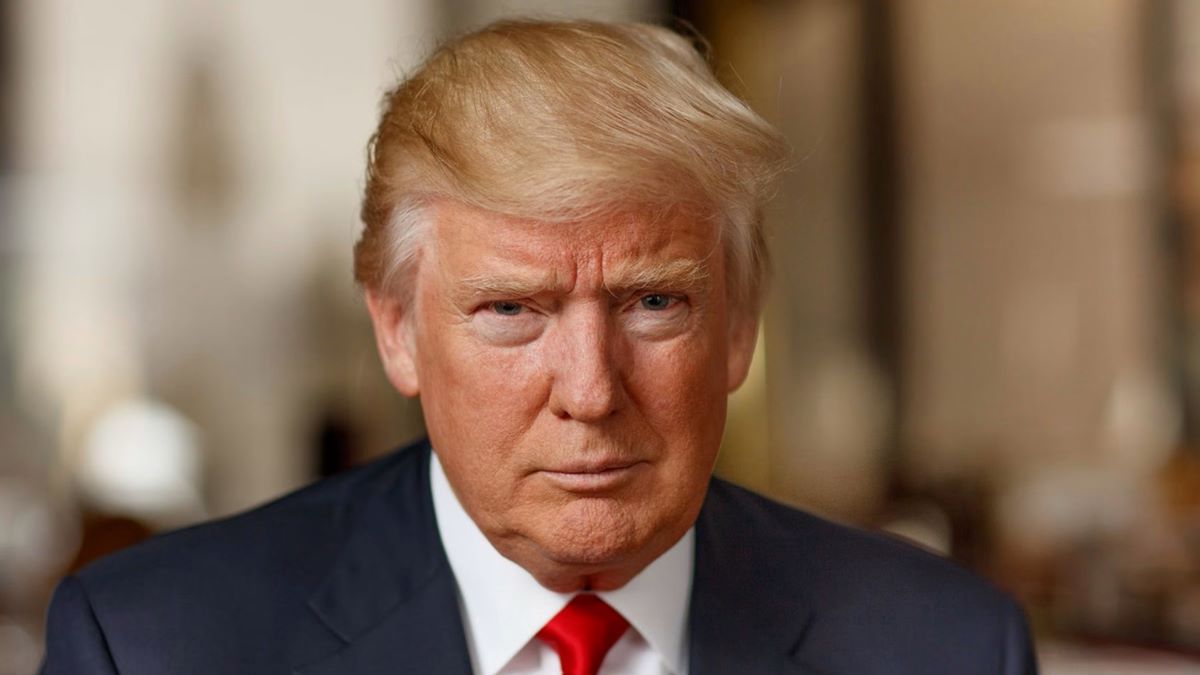
Iran Rejects Trump’s 15-Point Peace Proposal, Makes Demands
Iranian leaders have rejected a ceasefire proposal from the US President Donald Trump administration. The United States had sent Iran a 15-point proposal aimed at ending the conflict in the Middle East, a plan that was delivered through Pakistan.
However, the Iranian authorities dismissed the proposal, counterposing demands that include recognition of its sovereignty over the Strait of Hormuz, war reparations, and guarantees against renewed hostilities.
The move comes amid a broader maritime standoff that has choked off a fifth of global oil and gas shipments, as Tehran has tightened transit rules and levied tolls on ships.
The deadlock underscores the deep strategic divide, with both sides maintaining indirect communication but showing little sign of compromise.
To this moment, Iran continues to launch strikes on Israel, and President Trump is sending more troops to the region. Tehran rejected the 15-clause US ceasefire proposal, branding it ‘excessive’ and disconnected from battlefield realities.
Its counterproposal demands recognition of sovereignty over the Strait of Hormuz, cessation of hostilities against Iran and its proxies, guaranteed war reparations, mechanisms to prevent renewed conflict, and an end to enemy aggression.
Without mincing words, Iranian officials stress the war will end only on their own terms and timeline, signalling no acceptance of externally imposed deadlines.
Iranian military spokespeople already declared that ‘the situation in the strait will not return to the past,’ asserting permanent control over transit permissions.
Parliamentary plans are underway to codify new Hormuz regulations, including reciprocal restrictions against nations backing US sanctions and moving away from dollar-based energy transactions.
This position suggests that Tehran views maritime control as a lasting pillar of its security and economic strategy, regardless of the outcome of the ceasefire.
While Pakistan, Turkey, and Egypt have explored whether a basis for talks exists, Iran denies that it will engage in direct negotiations with Washington.
Pakistani Prime Minister Shehbaz Sharif has publicly offered to host talks, and indirect messages have been exchanged, but Tehran remains sceptical of US intentions, citing past violations of agreements.
The Islamic Revolutionary Guard Corps, which has gained influence during the war, is expected to have final say over any diplomatic engagement. PDP Counting Down to its Expiration — APC
