

Kogi Plans N50bn Sukuk To Fast-Track Airport, Market Projects
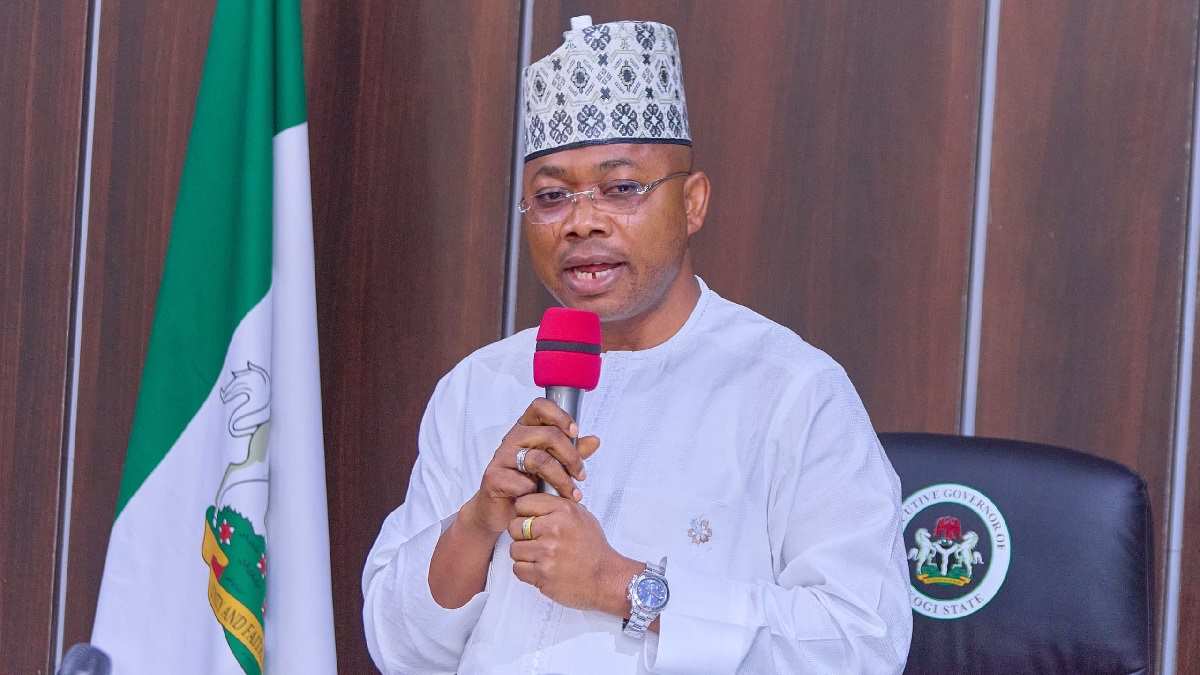
Gov. Ahmed Ododo of Kogi on Thursday unveiled plans to raise a ₦50 billion sukuk bond to accelerate the state’s international airport and market projects.
He said construction of the Kogi international airport and Lokoja international market would begin by March 2026. Ododo disclosed this at an investor engagement and market sensitisation forum held in Abuja.
Represented by Commissioner for Finance, Mr Asiru Idris, the governor assured investors the sukuk would be asset-backed and strictly dedicated to infrastructure development.
He said the bond aligned with Kogi’s 32-year development plan and was driven by strategic ambition, not fiscal distress.
“Today, we are presenting a clear investment proposition. This ₦50 billion sukuk is for infrastructure, not consumption.
“It is specifically for the Kogi State International Airport and the Lokoja International Market,” he said.
Idris said approvals had been secured from the State Executive Council and House of Assembly, alongside an ISPO application to the Federal Government.
“My administration is determined to move faster than conventional timelines. March remains our target for releasing funds and commencing construction.
“March is our target. If it slips to April, it’s not failure, but June is too far for us,” Idris said.
He said the airport bidding process would begin within weeks, with experienced financial and technical partners already engaged.
Mr Kayode Fadahunsi, Managing Director of AVA Capital Group, described the transaction as a textbook infrastructure sukuk.
“These are revenue-generating projects that can pay themselves down and expand Kogi’s Internally Generated Revenue,” Fadahunsi said.
He said investor funds would be monitored by the Securities and Exchange Commission and other independent oversight bodies.
“A Sharia Advisory Board and Independent Project Management Committee will issue quarterly reports to stakeholders,” Fadahunsi said. Addressing pricing concerns, he said sukuk instruments were typically cheaper than conventional bonds.
“The success factor is pricing, and sukuk offers an advantage. NGX and FMDQ both provide tradability; it’s a matter of preference,” he said. CBN to Hike Rates on Treasury Bills after Bonds Repricing
