

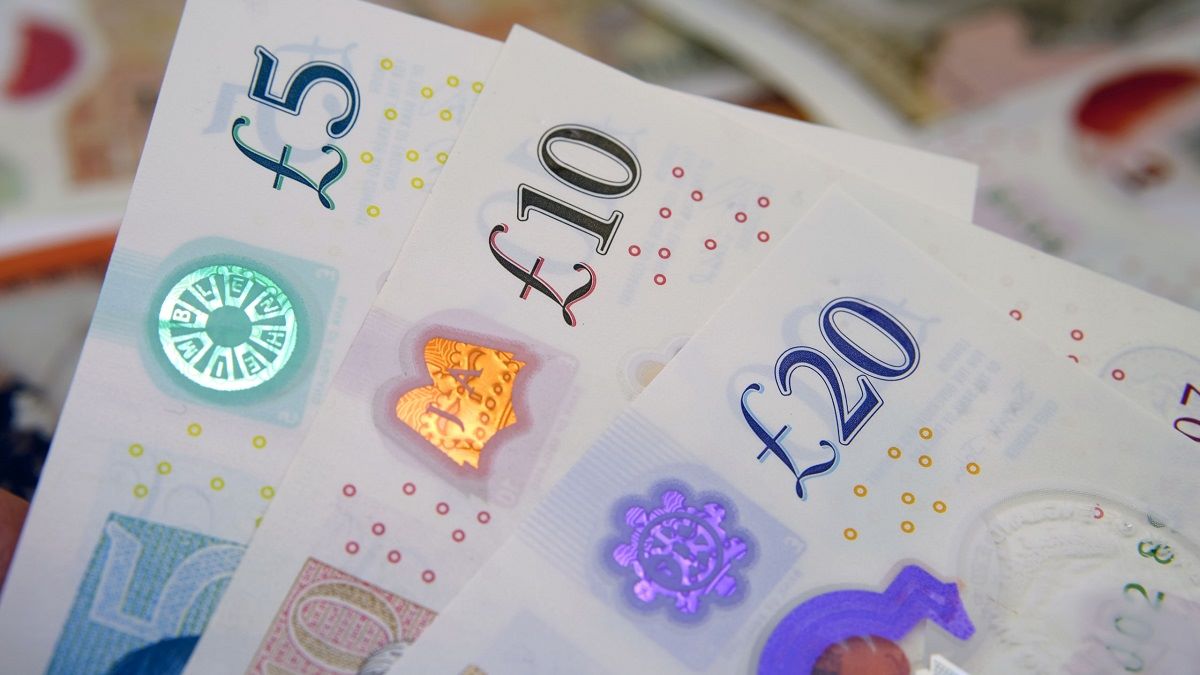
Pound Rises Amidst Flat UK Economic Growth Expectation
The British pound strengthened against the US dollar to around 1.345 on Monday, its highest in 11 weeks, benefiting from a weaker US dollar amidst flat Q4 GDP growth expectations in the UK.
GBPEUR was flat on Monday as markets reacted to the UK’s last notable economic release of the year, the final GDP estimate for the third quarter.
According to data published by the Office for National Statistics (ONS), the UK economy grew by just 0.1% between July and September, in line with previous estimates.
However, the latest GDP figures also included a revision to second-quarter growth, with the ONS downgrading growth in Q2 from 0.3% to just 0.2%.
GDP release highlighted the UK government’s struggle to boost growth, with GBP investors growing increasingly concerned that the economy is stagnating.
The markets anticipated that this will put more pressure on the Bank of England (BoE) to continue cutting interest rates through 2026.
FX analysts noted that there were a couple of bright spots in the data, however, with GBP investors encouraged by signs that consumer spending accelerated through the third quarter.
The Euro traded in a narrow range on Monday as a lull in notable Eurozone economic releases left markets without fresh catalysts to drive meaningful moves.
The primary catalyst of movement in the Pound US Dollar exchange rate will undoubtedly be the latest US gross domestic product figures.
After being delayed by the government shutdown, Tuesday’s figures will be the first look at how the US economy fared in the third quarter. Markets expect the Federal Reserve to lower interest rates at least twice next year, reducing the dollar’s yield advantage.
The Bank of England delivered a widely expected 25-basis-point rate cut to 3.75% in December, with a narrow 5-4 vote underscoring persistent concerns about inflation. Although inflation eased to 3.2% in November, it remains well above the Bank’s 2% target.
Governor Andrew Bailey said rates are likely to trend lower, but not as quickly as markets might hope.
UK GDP grew 0.1% in Q3 in line with expectations, though the BoE forecasts flat growth in the final quarter. Even so, traders expect at least one further rate cut in the first half of next year. Sterling has risen over 1% this month and about 7% year-to-date.
Trade in the Pound US Dollar (GBP/USD) exchange rate was choppy last week amid a session packed with high-impact economic releases as well as the Bank of England’s (BoE) final interest rate meeting of the year.
The Pound (GBP) found support last week despite a volatile run of UK data and a long-telegraphed interest rate cut from the Bank of England.
Sterling firmed on Tuesday after the UK’s latest labour market report surprised to the upside. Although unemployment climbed to a four-year high, stronger-than-expected wage growth helped temper expectations for aggressive BoE easing. An acceleration in UK services activity also lent the Pound some early momentum.
GBP/USD was briefly catapulted to a two-month high before swiftly slipping on Wednesday after the UK’s consumer price index revealed a sharper-than-expected slowdown in inflation.
The softer print revived dovish BoE bets, briefly dragging Sterling lower, though these losses were pared later in the session.
Volatility picked up again on Thursday. The Pound initially wobbled following the BoE’s rate cut, but rebounded after policymakers struck a less dovish tone than markets had anticipated, describing future decisions as a ‘closer call’.
However, Sterling ended the week on a weaker footing after the UK’s latest retail sales figures showed an unexpected second consecutive monthly contraction, reviving concerns over the resilience of consumer demand. First Holdco Delivers 62% YTD Return, Downgrades to Sell
