

U.S Imposes Travel Ban on Nigerians, Others
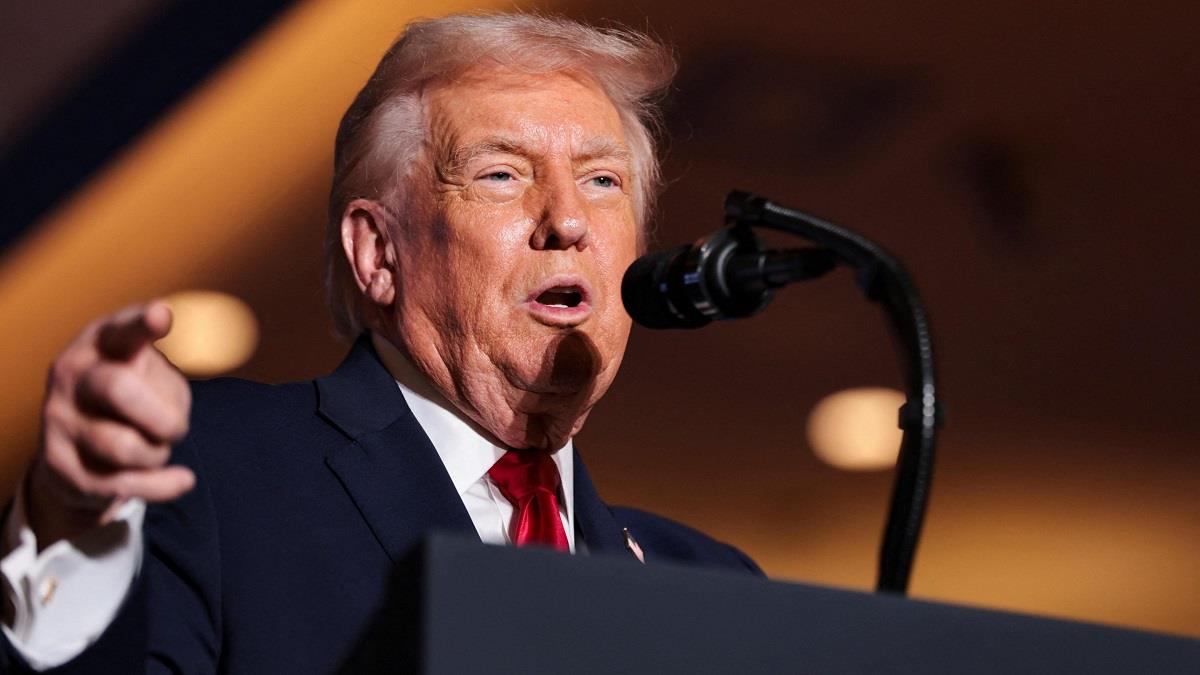
President Donald Trump signed a proclamation on Tuesday that further restricts and limits the entry of foreign nationals to the United States, the White House said.
With Nigeria on the list, Tuesday’s proclamation said the restrictions were “necessary to prevent the entry of foreign nationals about whom the United States lacks sufficient information to assess the risks they pose”.
The US imposed full restrictions and entry limitations on nationals from five countries – Burkina Faso, Mali, Niger, South Sudan, and Syria – in addition to the initial list of 12 countries.
Partial restrictions were imposed on a further 15 countries including Nigeria, Angola, Antigua and Barbuda. Others are Benin, Cote d’Ivoire, Dominica, Gabon, The Gambia, Malawi, Mauritania, Senegal, Tanzania, Tonga, Zambia, and Zimbabwe.
The White House said the decision is aimed at “strengthening national security through common sense restrictions based on data,” citing concerns that inadequate vetting systems in affected countries pose risks to U.S. national security and public safety.
The proclamation maintains full entry restrictions on nationals from the original 12 countries listed under Proclamation 10949: Afghanistan, Burma, Chad, Republic of the Congo, Equatorial Guinea, Eritrea, Haiti, Iran, Libya, Somalia, Sudan, and Yemen.
It also expands full restrictions to five additional countries—Burkina Faso, Mali, Niger, South Sudan, and Syria—as well as individuals holding travel documents issued by the Palestinian Authority. Laos and Sierra Leone, previously under partial restrictions, are now subject to full restrictions.
Nationals from Burundi, Cuba, Togo, and Venezuela remain under partial restrictions.
In addition, the proclamation places partial restrictions on 15 more countries, including Nigeria, Côte d’Ivoire, Angola, Antigua and Barbuda, Benin, Dominica, Gabon, The Gambia, Malawi, Mauritania, Senegal, Tanzania, Tonga, Zambia, and Zimbabwe.
The White House clarified that the measures include exceptions for lawful permanent residents, existing visa holders, certain visa categories such as diplomats and athletes, and individuals whose entry serves U.S. national interests.
Case-by-case waivers remain available, though family-based immigrant visa categories identified as carrying “demonstrated fraud risks” have been narrowed.
Explaining the rationale, the fact sheet states that the restrictions are intended “to prevent the entry of foreign nationals about whom the United States lacks sufficient information to assess the risks they pose,” while also encouraging cooperation from affected countries.
President Trump was quoted as saying: “It is the President’s duty to take action to ensure that those seeking to enter our country will not harm the American people.”
The White House noted that the decision followed consultations with cabinet officials and assessments conducted under Executive Order 14161, Proclamation 10949, and country-specific security reviews.
The restrictions, it said, are tailored to each country’s circumstances and are meant to incentivize improvements in document integrity, data sharing, and law enforcement cooperation.
The fact sheet highlighted issues such as corruption, unreliable civil and criminal records, poor birth-registration systems, refusal to share passport or law-enforcement data, high visa overstay rates, and failure to repatriate removable nationals.
It also cited concerns over terrorist, criminal, and extremist activity in some of the affected countries, as well as identity risks linked to certain citizenship-by-investment schemes.
The move follows Trump’s earlier decision on October 31 to designate Nigeria a “country of particular concern” over allegations of persecution of Christians.
Referencing past legal challenges, the White House said the Supreme Court has previously upheld similar restrictions as being “squarely within the scope of Presidential authority” and based on legitimate national security objectives.
The proclamation also notes that Turkmenistan has shown improved cooperation with U.S. authorities, leading to the lifting of restrictions on its non-immigrant visas, while immigrant entry restrictions for Turkmen nationals remain in place.
The White House said the action is part of President Trump’s agenda to tighten border security, stating: “President Trump is keeping his promise to restore travel restrictions on dangerous countries and to secure our borders.” Cordros Marks GTCO Top Pick, Cites Superior Earnings Quality
