
Close Menu
MarketForces AfricaMarketForces Africa
    What's Hot

    Banking, Insurance Stocks Drag NGX Index, Investors Lose N878bn

    July 2, 2026

    XRP Gains Momentum as Ripple Unites Credit, Payment, Tokenisation

    July 2, 2026

    South African Rand Surges as US Dollar, Oil Prices Slip

    July 2, 2026
    Facebook X (Twitter) Instagram
    Trending
    • Banking, Insurance Stocks Drag NGX Index, Investors Lose N878bn
    • XRP Gains Momentum as Ripple Unites Credit, Payment, Tokenisation
    • South African Rand Surges as US Dollar, Oil Prices Slip
    • Verified AI Gold EA Performance: What Independent Testing Reveals About XAUUSD Automation in Live Market Conditions
    • Wall Street Rallies, European Stocks Slip as US Inflation Risks Ease
    • Oil Prices Slip to $70 as US, Iran Negotiations Advance
    • CBN Withdraws Licences of 46 Microfinance Banks
    • Risk-off Sentiment Drives Nigerian Bonds Yield Higher
    • Home
    • About Us
    Facebook X (Twitter) Instagram LinkedIn WhatsApp TikTok Telegram
    MarketForces AfricaMarketForces Africa
    Subscribe
    Thursday, July 2
    • Home
    • News
    • Analysis
    • Economy
    • Mobile Banking
    • Entrepreneurship
    MarketForces AfricaMarketForces Africa
    MarketForces Africa » Inside Africa » S&P Downgrades Egypt Ratings, Outlook Stable

    S&P Downgrades Egypt Ratings, Outlook Stable

    Marketforces AfricaBy Marketforces AfricaOctober 23, 2023Updated:October 11, 2025 Inside Africa No Comments3 Mins Read
    S&P Downgrades Egypt Ratings, Outlook Stable
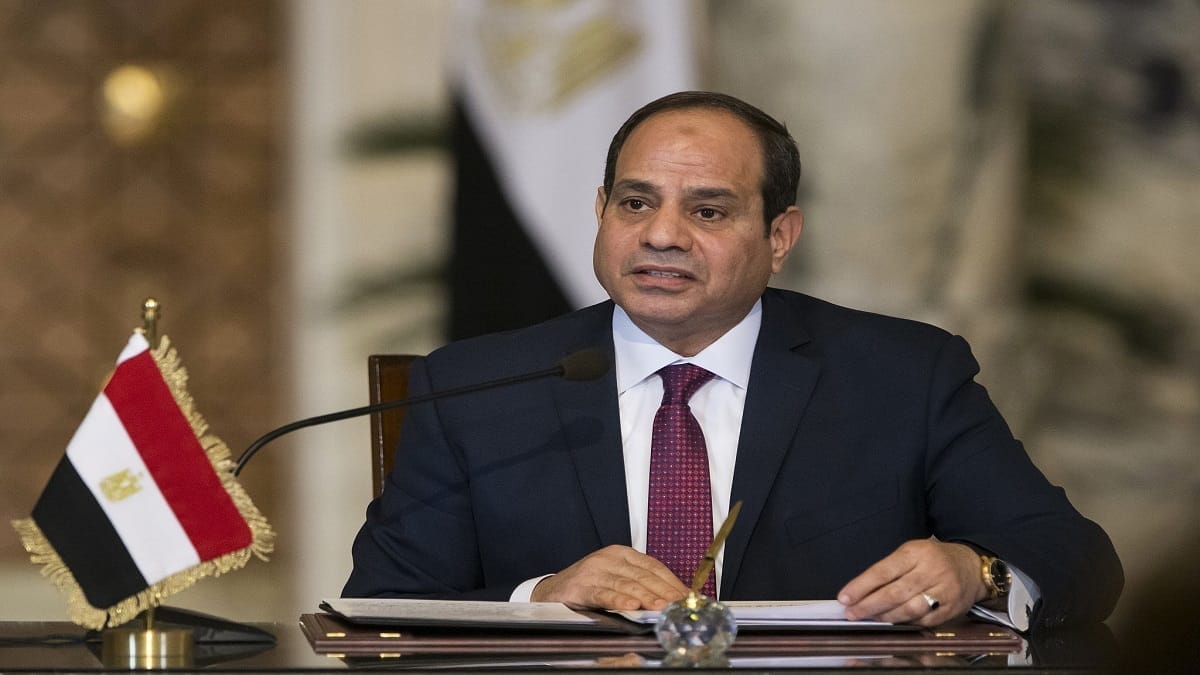
    Egypt President, Abdel Fattah El-Sisi
    Share
    Facebook Twitter LinkedIn Pinterest Email Tumblr Reddit Telegram WhatsApp Copy Link

    S&P Downgrades Egypt Ratings, Outlook Stable

    S&P Global Ratings on Friday said it downgraded Egypt to B-/B with a stable outlook. The agency previously had a B/B rating on Egypt, and in April had downgraded its outlook on the nation to negative.

    The downgrade reflects recurring delays in the country’s implementation of monetary and structural reforms, S&P said. The agency also said interest spending consumes about 40% of Egypt’s government revenues, calling the high debt servicing costs a potential challenge to debt sustainability.

    “The stable outlook balances the risk that the Egyptian authorities may be unable to finance high external debt redemptions or address the country’s foreign currency shortage against the possibility of an acceleration of key monetary and economic reforms that would help bridge Egypt’s large external financing gap,” S&P said.

    Egypt’s economic growth is expected to average 4% over the next three years, S&P said, but added the forecast is sensitive to exchange rate and inflation trends, as well any effect on tourism from the Israeli-Hamas conflict.

    In the first half of 2023, Fitch Ratings downgraded Egypt’s Long-Term Foreign-Currency (LTFC) Issuer Default Rating (IDR) to ‘B’ from ‘B+’, with the outlook accorded as negative.

    In Fitch’s view, the country’s external financing risk has increased given high external financing requirements, constrained external financing conditions and the sensitivity of Egypt’s broader financing plan to investor sentiment.

    All this comes against a background of high uncertainty on the exchange-rate trajectory, and reduced external liquidity buffers.

    “We see a risk that a further delayed transition to a flexible exchange rate will further undermine confidence, and, potentially, delay the IMF programme.

    “The rating action also captures a marked deterioration of public debt metrics, including a renewed deterioration in government interest costs/revenue, which, if not reversed, would put medium-term debt sustainability at risk”, Fitch said in its rating note.

    Analysts said uncertainty around Egypt’s ability to meet its external financing needs has increased, reflecting still constrained prospects for market access and the lack of market confidence in the Central Bank of Egypt’s (CBE) new exchange rate regime, which has held back foreign currency (FC) inflows.

    Noting an incomplete transition to a flexible exchange rate, foreign currency shortages resurfaced in February 2023, while the official exchange rate stabilised, following successive devaluations that had left the Egyptian pound against the US dollar about 50% weaker compared with the start of 2022.

    “In our view, the stabilisation partly reflects the reluctance of market participants to transact in the foreign exchange (FX) market, given high uncertainty around the future exchange rate level, and also interventions by public sector banks, further damaging confidence in the durably flexible exchange rate regime and the value of the currency”.

    Fitch assumes that the exchange rate will depreciate further before stabilising in the financial year ending June 2024 as external financing needs remain large.

    According to Fitch, the country’s external financing requirement is more challenging in FY24 due to increasing government external debt maturities of around USD7.2 billion, up from USD4.3 billion in FY23, including USD2.1 billion of Eurobond maturities (compared with USD0.8 billion in FY23).  However, external liquidity buffers remain weak, after a marked deterioration in 2022. #S&P Downgrades Egypt Ratings, Outlook Stable#

    Morocco’s Inflation Slows, Govt Plans $62bn Budget

    Egypt
    Share. Facebook Twitter Pinterest LinkedIn Tumblr Email
    Marketforces Africa
    • Website
    • Facebook
    • X (Twitter)
    • Instagram
    • LinkedIn

    MarketForces Africa, a Financial News Media Platform for Strategic Opinions about Economic Policies, Strategy & Corporate Analysis from today's Leading Professionals, Equity Analysts, Research Experts, Industrialists and, Entrepreneurs on the Risk and Opportunities Surrounding Industry Shaping Businesses and Ideas.

    Keep Reading

    Ethiopia Unlocks Access to $484 Million IMF Loan

    What Namibia Can Learn from Angola’s Oil Reform Playbook

    Burkina Faso Gets Additional Loan Approval from IMF

    Namibia Exits FATF Grey List After Reforms

    South African Rand Steady as SARB Hawkish Tone Softens

    Burundi Economy Improves, Inflation Sinks to 8.6% from 45% – IMF

    Add A Comment

    Comments are closed.

    Editors Picks

    Banking, Insurance Stocks Drag NGX Index, Investors Lose N878bn

    July 2, 2026

    XRP Gains Momentum as Ripple Unites Credit, Payment, Tokenisation

    July 2, 2026

    South African Rand Surges as US Dollar, Oil Prices Slip

    July 2, 2026

    Verified AI Gold EA Performance: What Independent Testing Reveals About XAUUSD Automation in Live Market Conditions

    July 2, 2026

    Wall Street Rallies, European Stocks Slip as US Inflation Risks Ease

    July 2, 2026
    Latest Posts

    Ethiopia Unlocks Access to $484 Million IMF Loan

    July 2, 2026

    What Namibia Can Learn from Angola’s Oil Reform Playbook

    July 1, 2026

    Burkina Faso Gets Additional Loan Approval from IMF

    June 27, 2026

    Namibia Exits FATF Grey List After Reforms

    June 23, 2026

    South African Rand Steady as SARB Hawkish Tone Softens

    June 19, 2026

    Subscribe to News

    Get the latest sports news from Dmarketforces Africa about finance, business and tech.

    Advertisement
    Facebook X (Twitter) Pinterest Vimeo WhatsApp TikTok Instagram

    News

    • World
    • Politics
    • Economy
    • Business
    • Opinions
    • Fintech
    • Science & Technology

    Company

    • About us
    • Advertising
    • Classified Ads
    • Contact Info
    • Editorial Policy

    Services

    • Subscriptions
    • Research
    • Due Diligence
    • Newsletters
    • Sponsored News
    • Work With Us

    Subscribe to Updates

    Subscribe to updates from MarketForces Africa, an independent financial news service provider.

    © 2026 MarketForces Africa. All rights reserved.
    • Privacy Policy
    • Terms
    • Accessibility

    Type above and press Enter to search. Press Esc to cancel.