

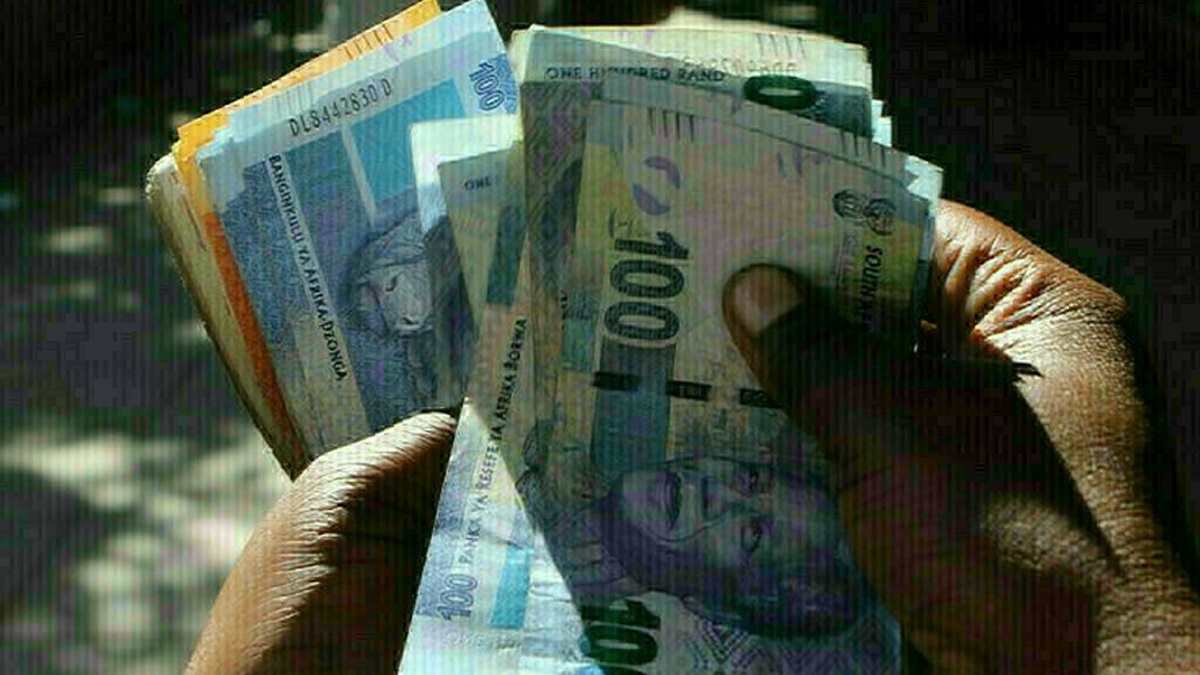
Rand Weakens Against Dollar over US-South African Troubled Relations
The rand weakened against the dollar, Euro and British pound on Friday over troubled US-South Africa relations, with the latest suspension of the African Growth and Opportunity Act (AGOA).
Markets and investors’ expectations of a negative rub-off on South Africa’s economic performance and related indicators triggered rand sell-offs against major currencies.
The rand fell to R16.52 per dollar, South African First National Bank (FNB) said in a brief, adding that a stronger dollar pressured the local unit.
The Bank cited that the rand weakened on growing concerns about US-South Africa trade relations after reports that South Africa could be excluded from AGOA.
Analysts said the local elections could reshape the domestic political and coalition landscape. The rand is trading at R22.18 per pound and R18.50 per euro, FNB said.
The rand faces pressure from elevated oil prices, with energy costs driving global inflation trends while yellow metals dipped amidst surging demand for safe-haven assets.
Brent crude rebounded decisively this morning, rising to $99.92 per barrel after a sharp decline in the previous session, driven by growing expectations of a quicker resolution to the Middle East conflict.
Gulf crude exports have recovered near pre-war levels, although tensions around Iran, shipping disruptions and elevated transport costs continue to pose risks.
Gold slipped to $4,045.21 per ounce as expectations for lower inflation and less aggressive rate hikes following the Democratic victory supported the bullion, while falling bond yields and safe-haven demand offset selling linked to the global equity selloff.
The US government has said it is suspending South Africa and Rwanda from its duty-free trade programme under the African Growth and Opportunity Act (AGOA). US Trade Representative Jamieson Greer said Tuesday that both countries failed to meet AGOA’s eligibility criteria.
He cited concerns about human rights, corruption and threats to US interests as justification for the policy, which will take effect on 1 January, 2027. South Africa has been the largest beneficiary. In 2025, it exported about $1.7 billion worth of goods to the US under AGOA.
“President Trump found that the governments of Rwanda and South Africa are engaging in practices that are inconsistent with AGOA’s eligibility criteria,” Greer said in a statement.
He said practices include “barriers that undermine American trade and investment and practices that pose a threat to US national security and foreign policy interests in the region.”
However, he did not provide specific examples of the trade barriers or the security and foreign policy issues.
The programme, introduced in 2000, is reviewed regularly and was extended in February by President Donald Trump. It is a centrepiece of US economic engagement with sub-Saharan Africa.
Oil Prices Surge as US Strikes Iran’s Island, Brent Tops $106
