

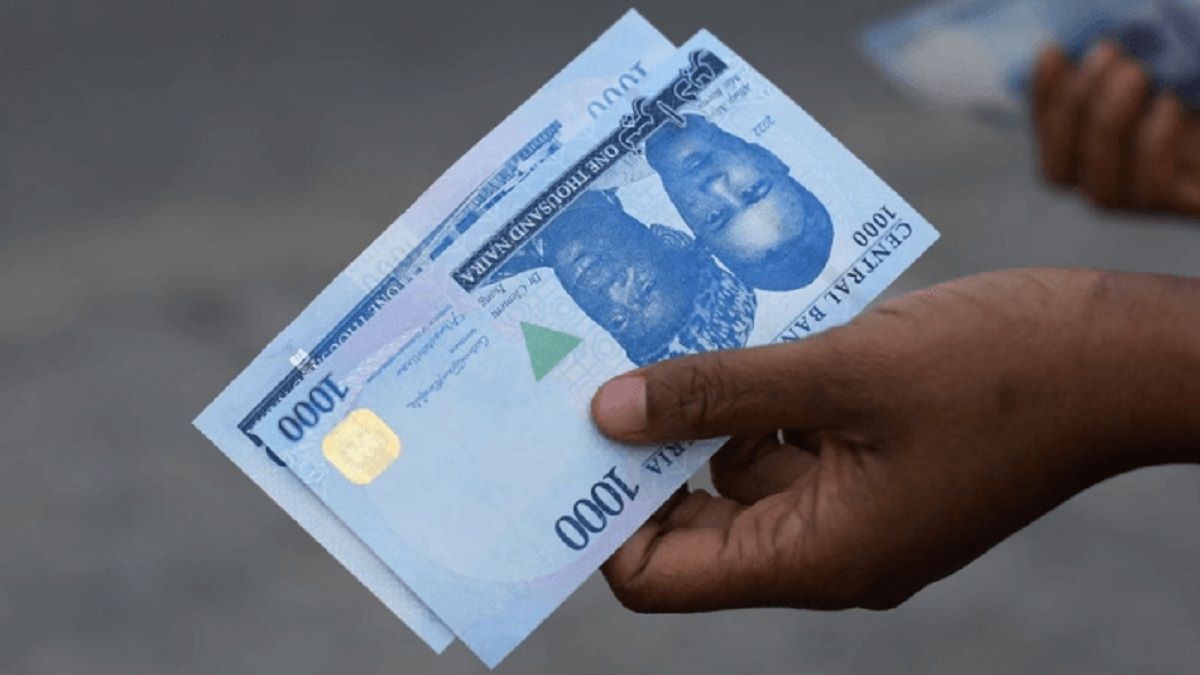
Naira Depreciates as Interbank FX Turnover Moderates by 19%
The naira depreciated against the US dollar at the Nigerian foreign exchange market amidst rising demand for international payments. The market has been facing liquidity pressures amid surging seasonal demand for foreign payments.
Data released by the Central Bank of Nigeria (CBN) show the spot FX rate weakened to N1,348.7416 per dollar, from N1,347.7983 the previous day. Transactions were consummated between N1348 and N1350.500 during the intraday trading session, reflecting FX shortfall signal.
The local unit dropped on increased demand for FX to meet import-related payments and corporate obligations, as well as profit-taking by foreign portfolio investors.
Trading activity at the interbank FX window is declining for the second day. According to CBN data, interbank turnover fell by about 19% to $82.162 million, down from $100.929 million the previous day.
The continued improvement in external reserves provides an additional buffer against external shocks and strengthens the CBN’s capacity to manage exchange rate pressures.
FX analysts at Coronation Group expect the naira to trade within the N1,330–N1,370/US$1 range in the near term, barring a material deterioration in global risk sentiment, a sharp decline in oil prices, or a resurgence in domestic FX demand.
Meanwhile, Nigeria’s foreign reserves fell further, closing at $55.149 billion amidst elevated global oil prices. Gross external reserves started to drop since the authority began fresh FX intervention to keep the local currency on a positive trajectory.
Analysts said progress in US-Iran diplomatic negotiations could ease the current risk premium, while further attacks on Saudi energy infrastructure or disruptions around the Strait of Hormuz could push prices higher.
For Nigeria, elevated crude prices remain supportive of export earnings and government revenue, although the benefit will continue to depend on domestic production levels and export volumes.
